Monopolies in Music: The Economics behind Sky-high Concert Ticket Prices
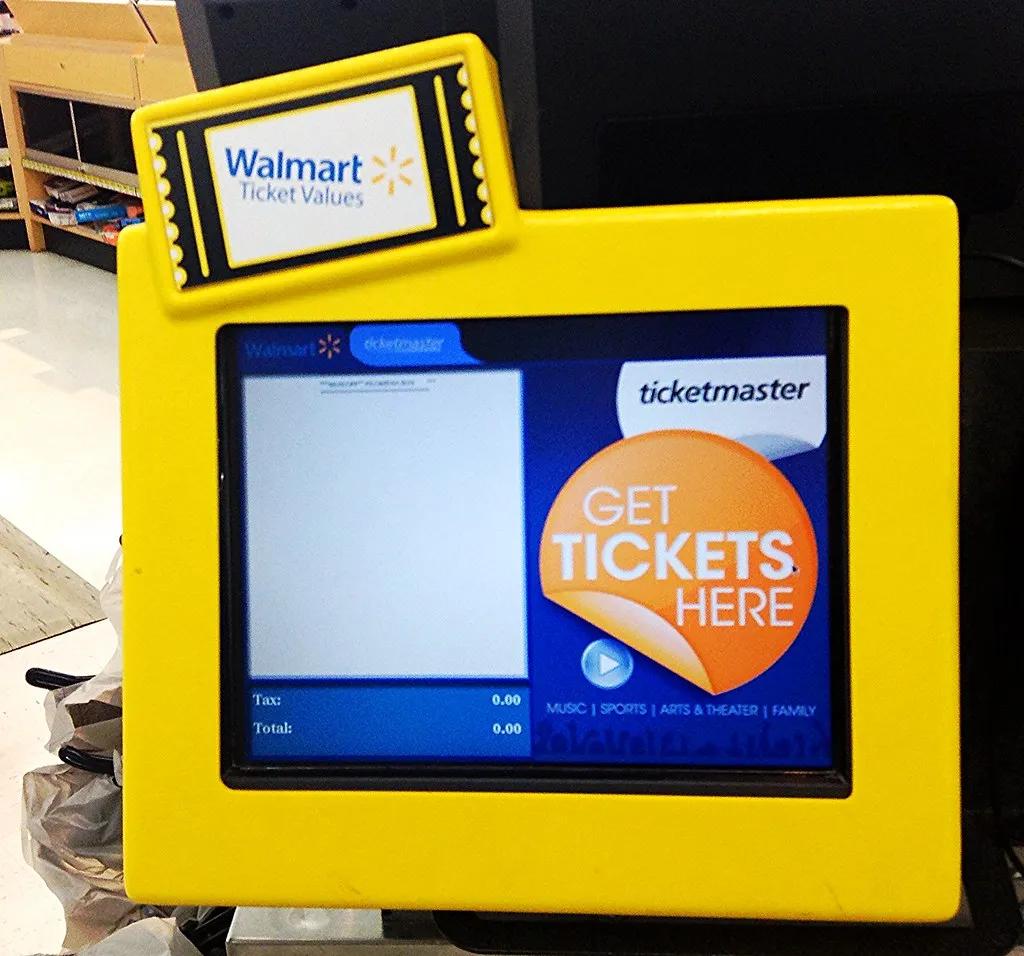
As summer approaches, the anticipation of major artists’ live concert tours and hot summer nights in outdoor venues beckons an exciting period for music lovers. But in recent years, the peak of a summer of live music has become unobtainable without the steep uphill battle required to get into that stadium: the so-called ‘Ticketmaster War.’
From 2019 to 2023, stadiums experienced a stark 35% increase in the cost for live tickets, much of which was attributable to increased demand post-COVID when the live music industry resurged. In 2024, live event attendance, as cited by Live Nation, featured a grand total of 151 million annual consumers. Many fans point toward famous 2022 stadium tours like Beyonce’s Renaissance World Tour and Taylor Swift’s The Eras Tour as key breaking points for the drive up in demand and the consequential surge of ticket pricing. The Eras Tour garnered an especially strong amount of backlash, with general sales getting canceled due to Ticketmaster’s inability to handle ‘unprecedented consumer demand.’
But since that period of concert resurgence, these poor ticket purchasing experiences have only become the norm: fans constantly scrambling to checkout amidst extensive queues, website crashes, and terrifying last-minute fees that make them question even buying a ticket. Even in the past few months, Ariana Grande’s Eternal Sunshine Tour featured millions of users fighting for tickets during presale, where the Ticketmaster website ultimately crashed; in the next few days, resale tickets were going up to $10,000 (safe to say, I did not win that battle). And while the ‘Ticketmaster War’ term refers to the broader effects of typical scarcity dynamics for the highly coveted commodity of live music tickets, it also usually opens an additional economically concerning conversation: ticket prices have become far too high. In the current economy especially, income remains stagnant due to inflation rates, yet the cost of concert tickets continues to rise. In New York, one concert ticket costs the average fan 9.44 hours of labor.
A valid interpretation is that as a result of the skyrocketing consumer demand for limited ticket supply, increased ticket prices are simply reflective of standard supply-demand dynamics; this may perhaps even indicate a transition of a live concert ticket to the state of a luxury good. However, the drastic effects on pricing we see now has been confounded by another structural issue in the live music market entirely, rooted in the operation of Live Nation-Ticketmaster itself: the monopolization of the live entertainment market.
In 2010, Live Nation, the leading U.S. concert promoter, merged with Ticketmaster, the leading U.S. ticketing company, which formed the massive Live Nation Entertainment conglomerate of ticket services, artist management, concert promotion, and venue ownership. The merger generated significant controversy immediately, as critics argued that the expansive corporate structure of the new company could threaten an overbearing influence over promoters, major concert spaces, and ticket distribution methods. While the Department of Justice (DOJ) initially approved the merging carefully, with restrictions on Live Nation’s ability to block venues from using alternative ticket sellers, the difficulty of thorough enforcement led to Live Nation often violating these restrictions.
Years later in 2019, the DOJ ruled that Live Nation had threatened to withhold concerts from venues that considered rival ticket providers — one of several violations that had allowed Live Nation-Ticketmaster to dominate the live entertainment industry for a decade. Since the merger, Ticketmaster has controlled 80% of live concert ticket servicing in the market, and a large share of the resale market too. Holding the majority of the ticket supply, Ticketmaster was able to charge higher fees for the same ticket product. The mass control of Live Nation-Ticketmaster showed that the root problem wasn’t just expensive tickets, but that consumers had no other choices to consider in the live entertainment market.
In 2024, the issue resurfaced dramatically when the DOJ, alongside attorneys from 39 U.S. states, filed a civil antitrust lawsuit charging Live Nation-Ticketmaster of illegally monopolistic actions. Pointing toward Live Nation’s exclusionary conduct to other ticket sellers, the lawsuit argued that in this approach to maintain a monopoly over primary ticketing services, Live Nation-Ticketmaster was forcing consumers into using overpriced services. More specifically, in violation of the Sherman Antitrust Act, Live Nation used their controlling market shares over venue ownership or promotion to force venues into exclusive long-term contracts that limited them to ticket-selling only through Ticketmaster. If the venues didn’t agree to the contracts, Live Nation would block venues from using multiple ticket sellers and threaten venues that if they don’t use Ticketmaster, they would lose money and fans.
The initial lawsuit reached a mid-trial settlement where 34 states rejected the claims as insufficient. However, just as of April 15, 2026, the federal jury in Manhattan released a unanimous verdict that Live Nation and Ticketmaster had unlawfully maintained monopoly power in the markets for primary concert ticketing at major venues, violating federal and state antitrust laws. Crucially, jurors found that Ticketmaster has been overcharging consumers by $1.72 per ticket across 22 states — translating into damages worth hundreds of millions of dollars in total — showcasing how the Live Nation-Ticketmaster attempts to expand its monopoly over the live entertainment industry was pairing with excessive pricing to actually harm its consumers. Now awaiting a second trial to determine next steps, judges are considering whether to grant the states’ primary request: to break up the merger completely.
The expansive lawsuit battle and the most recent ruling against Live Nation-Ticketmaster offers a concrete argument that the company was ultimately operating as an ‘illegal’ monopoly; the economics behind their dominance post-merger comes down to the application of key monopoly features: vertical integration across the live entertainment market, increased barriers to entry, and pricing power control as a price maker. These aspects have led toward surging ticket prices that extract consumer demand and illegal market dominance using anti-competitive manipulation. However, the ongoing legislative approaches to Ticketmaster’s dominance suggest that regulatory legislation can combat the dominance of this monopolistic company by forcing transparency of pricing and restoring the competitive conditions of the market.
The strongest way that Ticketmaster has transformed into a monopoly status ticket seller is through its employment of a vertical integration approach through the merger with Live Nation. Vertical integration is economically defined as a firm that controls multiple successive stages of the same supply chain. In Live Nation-Ticketmaster’s case, this means comprehensive control over concert venue ownership, promotion of performing artists, and managing the ticketing infrastructure, all on top of selling the actual concert tickets. This widespread structure enabled Live Nation-Ticketmaster’s market power — but the bigger problem was the anticompetitive implications that the integration approach offered. In January 2023, CEO of rival ticketing company SeatGeek Jack Groetzinger gave a statement at the Senate Judiciary Committee hearing on monopolistic concerns about the Live Nation-Ticketmaster conglomerate; Groetzinger argued that the “stranglehold” on promotion and ticketing by both Live Nation and Ticketmaster had created excessive barriers to competition. Warning major U.S. venues that moving their primary ticketing business from Ticketmaster to another competitor would risk losing the substantial revenue they earn from Live Nation concerts, the company utilized their integrated control of other supply chain aspects, like venue ownership, to enact exclusive venue deals restricted to Ticketmaster sales.
Economically, this outlines Live Nation-Ticketmaster’s approach to create higher barriers to entry: structural conditions that prevent new competitors from entering a market. High barriers to entry distinguish a monopolistic market from a functioning perfectly competitive market, where a rival ticket seller could win venue contracts by offering lower fees or better technology. Instead, the merging of Live Nation-Ticketmaster meant that the same entity controlling venue access was simultaneously the same company owning the primary ticket selling platform. As explained by the research organization American Economic Liberties Project, Live Nation’s ownership of venues and exclusive booking rights financially incentivized the company to schedule major live events at its own properties and to use Ticketmaster as the only ticketing agent for every event it promoted; this allowed Live Nation to self-preference its own venues, exclude independent venues from hosting shows, and prevent rival ticket-selling services from accessing the necessary consumer data to compete against them. This tactic was proven in the most recent DOJ trial, where the jury heard testimony that Live Nation threatened to withhold profitable concerts from large venues if they did not sign exclusive deals with Ticketmaster, and that artists who wanted to perform at Live Nation-owned stadiums and amphitheaters were also required to use Ticketmaster as their promoter. In other words, the use of vertical integration enables the economic concept of foreclosure through exclusive dealing, where a supplier like Live Nation bundles its various services in a way that makes it unprofitable for buyers (venues) to switch to other suppliers. Consequently, the cost of market entry for rival ticket sellers is much higher, limiting the possibilities of maintaining a competitive live music market.
Live Nation-Ticketmaster’s dominance soon developed into cyclical control through its “flywheel” approach, reinvesting the increased profits from ticket sales and advertising into strengthening the company’s market position in concerts and venues. By doing this, Live Nation attracts more artists, which in turn secures more concert venues, eventually foreclosing more rival live entertainment sellers. The self-strengthening vertical integration approach explains how the merger has been able to uphold its control over the market across the past decade. This functions through the concerning factor that Harvard antitrust scholar John Kwoka argued about vertically integrated companies; because they are able to easily shift profits from one part of the supply chain to another, any fees or restrictions on just one sector does little to limit the company’s overall extraction from its market. This means it is structurally extremely difficult for external organizations to have any real effect on the company’s functionality with typical fee or restriction approaches. The company’s market extraction also eventually leads to the biggest monopolistic trait, where Live Nation-Ticketmaster withholds 80% of the market share, making it the dominant seller in the market. The biggest danger for consumers in this established dominance is that the combination of anticompetitive conduct and comprehensive control over every aspect of live entertainment enables Live Nation-Ticketmaster’s authority over the second defining feature of a monopoly: pricing power.
In a competitive market, firms are usually price takers: they set prices around the cost of production, because attempts to charge above that level (barring any particular distinguishing factor in their products) causes the buyer to switch to alternative sellers. Contrarily, a monopoly holds higher pricing power as a price maker, which means it is able to set prices at the maximum surplus that can be extracted from the consumers instead of the market cost of production, because the consumer can’t turn to an equal alternative. But at the baseline level, Ticketmaster doesn’t appear to be selling a distinguished product from competitor ticket selling companies; so what exactly is allowing them to hold such a strong pricing power?
The first explanation is the use of dynamic pricing, an algorithm-based system that adjusts ticket prices in real time based on observed consumer demand. The practice was originally designed to capture consumer willingness to pay and reduce the amount of profit flowing to resellers, which seems reasonable in a typical competitive market. However, in a monopolistic market, dynamic pricing serves a more exploitative purpose; commonly viewed as the culprit behind consumer backlash against stressful Ticketmaster sales, dynamic pricing utilizes knowledge of consumer behavior to allow the company to extract its customers’ maximum surplus. More specifically, looking at concurring traits of the concert ticket market — scarcity (a limited supply of tickets) and inelastic demand (where a change in price for the tickets has minimal effect on the consumer’s demand) — shows how easily profit can be substantially increased using dynamic pricing in the lucrative live entertainment sector. According to the Senate Permanent Subcommittee on Investigations, Ticketmaster specifically used dynamic pricing more deliberately than they publicly acknowledged. Internal documents revealed how the company pressured artists and venues to put more tickets into premium price states (platinum or VIP tickets) to garner more profit by limiting consumers to more expensive options. In this case, Live Nation-Ticketmaster’s strategy wanders into an exploitative territory that’s again supported by their vertical integration system; their control over artist promotion and venues enabled their ability to work against the consumers economically.
Another explanation is the use of drip pricing, a pricing technique where firms advertise only part of a product’s price and reveal additional charges progressively throughout the checkout process. The tactic causes customers to jump into consumption based on initial base prices, rather than the additional fees added at checkout, which makes them more likely to complete the purchase at the unnecessarily high final cost. It uses a more behavioral economic approach, considering the psychological elements of the consumer’s mental commitment to the base prices and their invested time selecting seats. According to UC Berkeley researchers examining customer activity on StubHub, another resale ticketing platform that uses similar drip pricing tactics, consumers were found 45% less likely to make a purchase at checkout if pricing was completely transparent than those who were subject to hidden fees at the final purchasing stage. Drip pricing also increases initial demand by causing customers to stop searching for alternatives too soon, so they then pay more than they otherwise would have after getting to the final checkout stage. For a monopolistic company like Ticketmaster, this behavioral manipulation is enhanced by the absence of substitutes; since Ticketmaster has the majority of the ticket market share for major venues already, if the consumer receives an additional service fee at checkout for their concert ticket, there isn’t necessarily an alternative platform they can easily turn to offering that same ticket without those fees. The closest options are second-stage resellers, not technically the same type of ticketing product either way, who often upcharge for tickets even more based on heightened consumer demand. With that flexibility, Ticketmaster continued to utilize drip pricing up to a point where they even pushed ticket prices more than 200% above their originally advertised price, without real transparency on what fees the consumer was actually paying for.
These two methods towards maximizing revenue show how a typical monopoly price maker, isolated from competitive obligations, focuses on extracting the maximum possible surplus from consumers who have no other choice (in other words, competing with itself). But Ticketmaster’s application in competitive markets like concert ticket selling also uncovers specifically how Live Nation-Ticketmaster’s control of both the supply of tickets and the infrastructure by which it is sold, through its vertical integration approach, influences their lack of price transparency, an approach to profit maximization that succeeded structurally because it wasn’t easily compatible by peer competitor sellers. To put it plainly, Live Nation-Ticketmaster held the advantage of strong pricing power because of its widespread control and share of all functions of the ticket-selling market, and that enabled its ability to go to extreme lengths to extract consumer surplus.
The recent legislative responses to Live Nation-Ticketmaster’s dominance therefore validate the economic argument that the merger secured a monopolistic control over its market. The juries and regulators identified the structural bases of vertical integration and pricing power as the evidence for their argument that Live Nation-Ticketmaster was becoming an ‘illegal’ monopoly. For example, the DOJ, alongside a coalition of 34 state attorneys, argued that due to Live Nation’s anticompetitive conduct, fans had to pay prices that weren’t transparent and “far exceeded fees in comparable parts of the world.” That claim points directly to the monopolistic quality of high pricing power, where a lack of competition allows the company to extract excess consumer surplus through non-transparent methods like drip pricing. The DOJ also called Live Nation “the gatekeeper for delivery had limited alternative options for tickets,” referencing further monopolistic qualities of a dominant seller and a limit of available substitutes. Together, these claims show how the company exercised control over both pricing and consumer choice, which are the key methods for how monopolies exercise their market power.
Since the market therefore can’t naturally counter Live Nation-Ticketmaster’s barriers to entry, pricing power, and dominance over possibilities for substitutes, the only structural method to restrict Ticketmaster’s consumer surplus extraction would be from an external source — which is where the recent settlement and other legislative approaches come in. The March 2026 DOJ settlement forced Ticketmaster to limit its exclusivity contracts with concert venues after four years, offer venues the choice of exclusive or non-exclusive arrangements, cap service fees at 15% at Live Nation-owned amphitheaters, and most importantly, allow rival companies like SeatGeek and Eventbrite to list tickets on its platforms. These restrictions specifically target the company’s dominance through vertical integration, countering Live Nation’s exploitation of its venue control to suppress competition. They also establish the conditions for perfect competition by transferring a portion of market share control out of just Ticketmaster’s hands into those of rival ticket sellers, so that the company loses its dominant seller status, and thereby the extreme abilities of price setting that it had before. The next crucial step to really stabilize the consumer impact of Ticketmaster’s monopoly practices is to target the pricing transparency directly. To do this, a legislative approach like New York’s 2022 Ticketing Law offers a great approach; as the first state in the nation to require complete upfront pricing for live event tickets, New York ensured that consumers would see the full cost of the ticket immediately in transaction, rather than suffering from the drip pricing approach. In this case, consumers have pricing awareness to be able to consider alternative options, reestablishing their pricing power to limit the absolute price control that Ticketmaster previously had.
With these legislative interventions, the ticket selling market would be structurally built against monopolistic dominance, and most importantly, hold a clear establishment of a required transparency to paying consumers. When it comes to a dominant force like Live Nation-Ticketmaster, looking at the economic basis of their market control helps to target legislation effectively: hopefully finally offering a resolution to this endless ‘Ticketmaster War.’