The Campus Care Revolution: The Cost–Benefit Economics of Free Menstrual Products
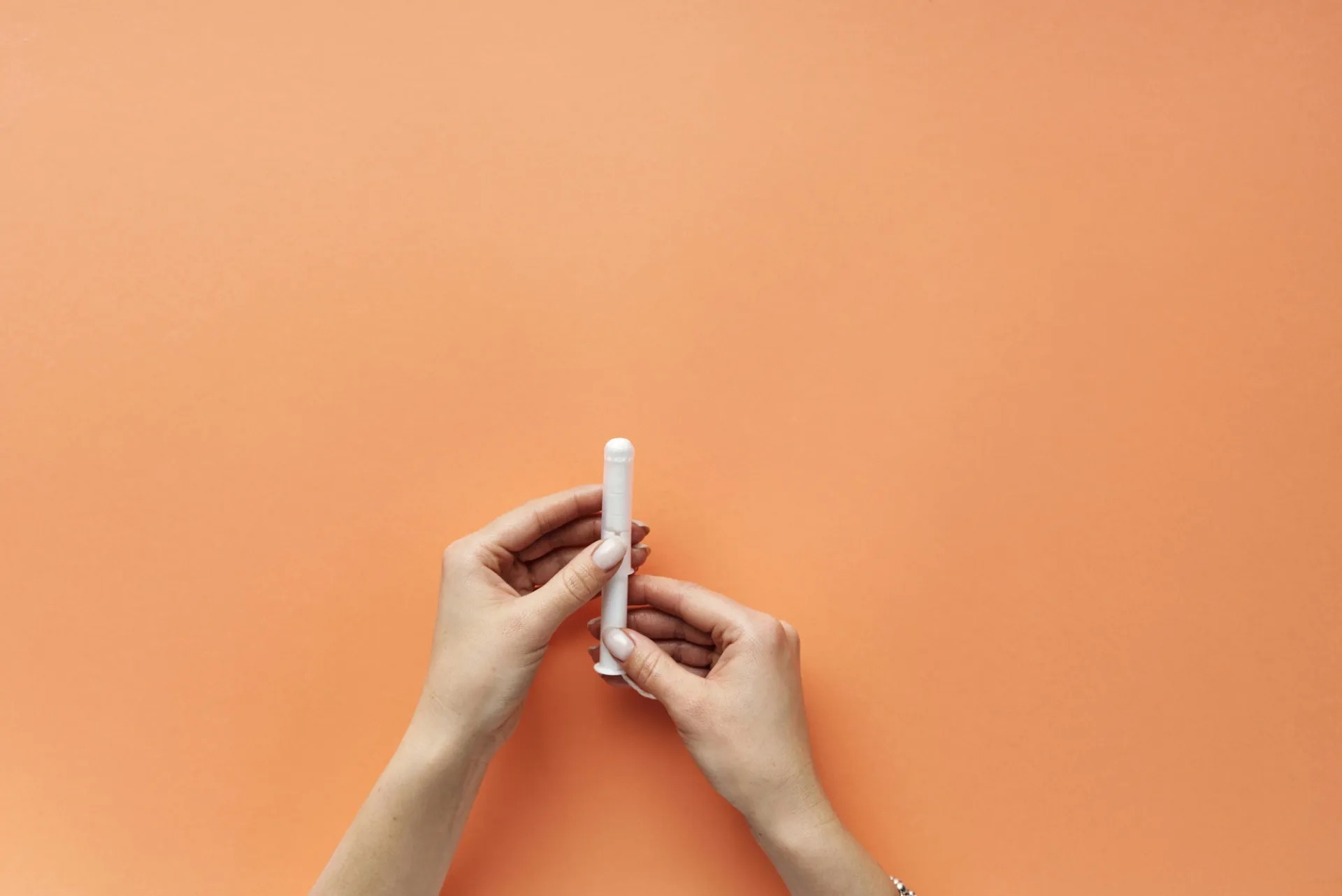
In the modern age, the burden of menstrual product affordability and accessibility remains strikingly prevalent. In the U.S. itself, 1 in 4 teens and 1 in 3 adults struggle to afford period products. However, recent efforts indicate that the impactful issue is finally growing to be acknowledged, specifically within the environment of college campuses.
Columbia’s journey to menstrual product access began in 2021 when the university implemented sanitary dispensers offering free pads and tampons in bathrooms across select buildings on Columbia campuses. In the spring of 2024, a student initiative expanded the pursuit of free menstrual products throughout campus, particularly in all residence halls. Members of the Columbia College Student Council led a successful pilot program testing free product installation in certain sophomore residence halls. The program’s success, with 94% of 2024 Fall Ballot Referendum student body respondents supporting expansion of free products to all residence halls, led to the group receiving university approval and funding to install Aunt Flow sanitary dispensers in the laundry rooms of all major undergraduate residence halls. The change, effective January 14, 2025, marked a significant stride in campus healthcare, expanding long-term accessibility to 27 additional Columbia buildings. While this system is currently preserved by university funding, concerns that the project may not be renewed suggest a devastating impact on student body members who lack access to female hygiene products.
Therefore, even on college campuses where free menstrual product services exist, the longevity of approval appears unstable. Additionally, there remains a majority of over 4,000 U.S. university campuses that lack any form of hygiene product accessibility to sustain students. In fact, according to the medical journal BMC Women’s Health, 14% of college students still face the struggle of not being able to afford or access period products regularly.
Unfortunately, a major reason this seemingly outdated issue of period accessibility persists in many students’ current reality is because of the economics of providing free healthcare products. The difficulty of supporting initiatives that rely on increased funding for products that don’t generate revenue can seem like unnecessary pressure on universities. Even the student council’s proposed pilot program, for just a few weeks of providing free hygiene products in a handful of residence halls, estimated about $1396 in cost — let alone an investment in long-term free product dispensers. The numbers leave many to wonder: Does the reciprocated benefit justify the anticipated steep cost, and is it even valuable to provide such a service? This article will consider these economic concerns holistically to reveal that universities providing free menstrual products will maximize the marginal benefits of attendance, health, and wellness while controlling costs and reducing waste.
The concept of free menstrual products at an extended, national scale — such as that of Scotland — can provide an accessible case study model. The medical journal The Lancet considers Scotland’s role as the first country to enforce the required provision of free sanitary products, creating the first legal campaign against period poverty. Most specifically, the bill initiated an 8.7 million pounds per year plan that required legal authorities to provide free sanitary products in schools, colleges, and universities, mandating accessibility in the menstrual healthcare space.
That financial tagline — 8.7 million pounds — precisely indicates the hesitance for several countries to follow suit in Scotland’s approach. However, to consider this price requires consideration of the existing costs it aims to counter. The most obvious is to analyze the direct financial costs for women purchasing menstrual products. The average cost per month for a Scottish female on a menstrual cycle is 10 pounds. Considering Scotland’s 5.5 million population, the yearly tagline for all women to have adequate hygiene resources is +600 million pounds. This suggests that a large proportion of the population spends thousands over their lifetime simply to support bodily needs. Seeing as how the legal campaign covers just a fraction of that cost, the statistics tell us that free menstrual product initiatives can take a significant financial weight off the hands of public consumers.
But beyond basic healthcare accessibility, why might this be an effective economic choice to implement for universities and countries as a whole? The answers lie in the hidden costs of menstrual hygiene. For example, a Plan International UK survey revealed that period poverty in the United Kingdom had significantly grown during COVID-19. The survey results showed that 3 out of 10 female students could not afford or access menstrual products, and only ⅓ of these students felt comfortable asking teachers for products in class. The striking statistics convey the wide proportion of the youth population affected by product inaccessibility, demonstrating the growing need for these healthcare products to be treated as bathroom necessities. Moreover, the results hint towards the educational consequences of menstrual product inaccessibility, as students’ hesitance to ask for supplies — a reflection of social stigmas — could reflect in their ability to focus on school.
These revelations reflect the impact of the confounding ‘hidden costs’ of this healthcare issue, especially in education, which makes an immediate solution so valuable. Essentially, when students can’t feel physically comfortable in class due to menstrual health, they’re unable to focus on improving their education. For example, a survey conducted by market research company Harris Insights & Analytics saw that more than 4 in 5 students (84%) in the U.S. had either missed class time or knew someone who missed class time due to period product inaccessibility. To compare, we can consider the case study of a pilot program for free menstrual products in a New York high school. After launching free product dispensers on campus, this public school saw a 2.4% increase in attendance. This comparison demonstrates a direct correlation between access to necessary menstrual products and student attendance. Higher attendance rates from the New York program reflect the increase in students being able to prioritize their education when providing sanitary product accessibility — and that education improvement can contribute to future career growth and long-run economic growth of a country.
To see a direct representation of how the impact on education and respective career growth due to menstrual health relates to long-run economic growth, we can consider an essential part of a country’s gross domestic product: productivity. In a study published in the British Medical Journal, 32,748 women were first assessed for presenteeism and absenteeism at their respective schools or workplaces. 13.8% of women reported being absent during their menstrual cycles, while 80.7% reported still being present. However, women who were present during their periods reported an average 33% loss in productivity — equated to 9 days of productivity lost yearly. Due to the effects of their menstrual cycles, women were facing significant declines in productivity, proving that the menstrual experience has a significant toll on both the human body and brain; and in this case, where a situation repeatedly causes declined productivity, it seems that offering free products could be a viable support solution to allow more women to focus on productivity and growth. As increased productivity leads to increased output, we would see the effects of that resource accessibility directly in company output and thus, the country’s GDP.
This series of statistical implications reflects the ultimate choice that university students face when they don’t have free, equal access to menstrual health products: sacrificing education or sacrificing health. As female students miss more lectures or underperform on exams due to menstrual health, not only does their education and respective career growth suffer, but a sharper divide grows between women and men. An example to turn to is standardized tests — specifically, GCSE scores for students experiencing intense menstrual cycles. For context, GCSEs are British standardized exams for 15-16-year-old students that cover multiple subjects and are a key aspect of future education and employment. In Nature Partner Journals, evidence showed a decrease of about 23 points in GCSEs for students experiencing heavy menstrual cycles compared to the rest of the student population. This example highlights one clear contrast between female and male students in pursuit of education and career growth as a result of menstrual health experiences. As we see, this issue directly affects student productivity and capabilities, it becomes clear that adding the pressure of a lack of resources on top of physical pain likely induces further stress, contributing to lowered test scores — and because this experience is limited to women, they are left disadvantaged in the educational and professional world. That disadvantage will only carry over to the larger scale to a point where female productivity is not able to be as high because their health isn’t being valued or prioritized.
The alternative to missing class for those facing period poverty is to risk menstrual health by avoiding changing sanitary products for dangerously long periods of time. The resulting health risks and emergency costs can outweigh the initial financial investment to provide free menstrual products. For example, sacrifices in menstrual hygiene often raise risk for urogenital infections like urinary tract infections (UTIs) or bacterial vaginosis. Baseline visits for these diagnoses can be upwards of $200; treat-and-release emergency care can cost a hefty $1,700; and ER visits for UTIs can cost upwards of $2,000. It only takes one sacrificial moment of prioritizing education over menstrual health to end up in these intense healthcare situations with steep economic costs on top of physical and mental pain. These costs can be beyond impossible to pay for as a college student, signaling the necessity for product accessibility; even if students don’t face the health consequences, their ability to focus in class will diminish due to menstrual discomfort, further contributing to long-term decline in productivity.
Additionally, researchers at the University of Illinois also noted a national study of 471 college-aged women. The responses showed 14% of undergraduate students had “experienced period poverty at least once in the past year,” most importantly, ⅔ of women who reported monthly period poverty were shown to experience depression. This correlation between depression and period poverty demonstrates another possible consequence of menstrual resource inaccessibility: mental health costs, with average treatment pricing anywhere from $30-$500 monthly, and a likelihood of further affecting student productivity even more.
Therefore, the financial investment of free sanitary product dispensers on campuses will be outweighed by savings on additional costs for female students and will be beneficial to long-run economic growth. Thus, the marginal benefit of increased attendance and improved physical and mental public health justifies the initial higher cost of production and distribution of free period products.
Despite these points, a common counterargument is the excessive abuse of this attempt at accessibility — in other words, a free rider scenario. According to the Corporate Finance Institute, the free-rider problem refers to a macroeconomic market failure concept where people benefit from goods and services they don’t pay for. While typical menstrual products don’t fall under the free rider qualifications, implementing a free menstrual product initiative on campuses means treating these goods like restroom infrastructure (like toilet paper), so the idea of certain people benefiting more than others becomes more plausible. Those concerned with students excessively taking products from dispensers may point to the risk of increased financial strains on universities, which could deteriorate the intentions of the initiatives.
However, the purpose of free menstrual products is to create well-rounded, equal access to a public health necessity. Therefore, the ‘free-rider situation’ can be essentially warranted as a fundamental hygiene product that some students may require more of. In order to work in tandem with this reality and avoid excessive overuse or theft of products, and continue to provide these materials for students, universities can adopt observatory installation methods that allow for oversight of product usage and any attempts at theft. For example, in early rollout stages of Brown University’s 2016 period product initiative, students handled weekly restocking while monitoring the effectiveness of the initiative, particularly observing use of products to manage overuse. Other monitoring methods include keeping products in restrooms rather than open hallways, using single pull dispensers, or adding a QR refill form to dispensers so facilities can track spikes in draw rates (a method Columbia uses). These methods help stay aware of potential ‘free-rider’ issues by providing direct oversight of the use of free products while still ensuring baseline accessibility of free period product dispensers.
Ultimately, it can be easy to judge free menstrual product initiatives for universities as impossible just based on their million-dollar taglines. But diving deeper into the hidden costs and marginal benefit analysis, as well as effective implementation methods to counter free-rider concerns, it’s clear that providing these products on campuses is feasible, necessary, and worth the financial investment. When universities treat menstrual products like restroom infrastructure, they buy back education and public health at a price well within student services spending. The real question for the thousands of campuses that still don’t offer menstrual product accessibility isn’t one of product affordability — but if they can afford the learning loss, health risks, and gendered opportunity costs of perpetuating a cycle of menstrual inequity.