What Sweden and Quebec Can Teach New York About Universal Childcare
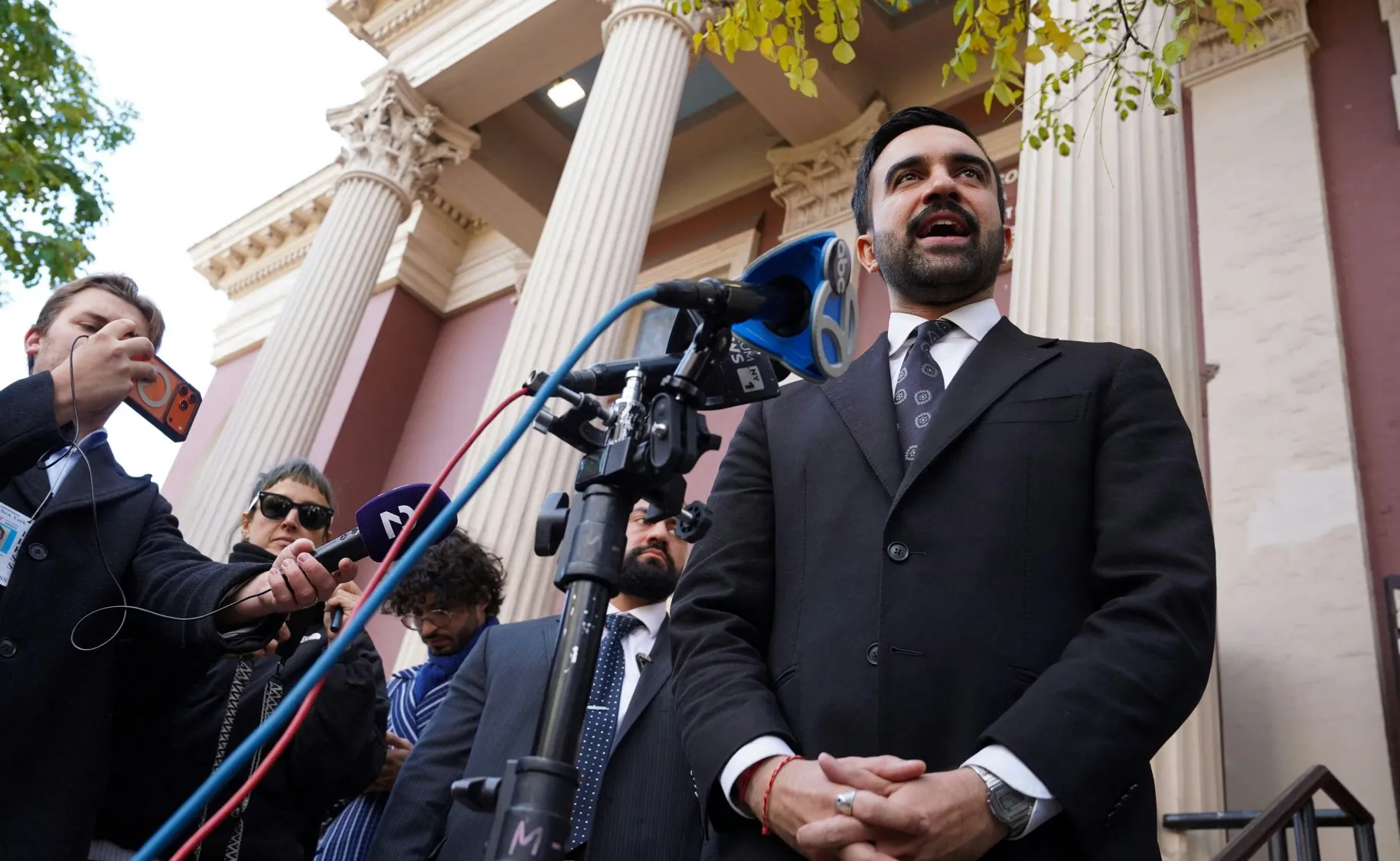
In the wake of the election of New York State Representative and self-proclaimed democratic socialist Zohran Mamdani as the next mayor of New York City, heated debates have sparked over his campaign promises: rent freezes, fast and free buses, a higher minimum wage, and universal childcare.
All of these promises are contentious: many people question the programs’ feasibility and funding sources, especially given the fact that the NYC government operates on a tight budget with significant gaps, and that NYC is one of the least affordable cities in the U.S. As the cost of living continues to increase, the need for childcare, one of the major promises of the Mamdani campaign, is becoming all the more pressing. Middle and low-income families are especially falling behind in New York’s child care crisis: on average, infancy care in NYC costs around $20,000, while the median NYC household only makes $76,000. According to the Citizens’ Committee for Children of New York, 80% of NYC families with young children cannot afford child care.
Universal childcare is defined by a publicly-funded system that provides high-quality and affordable care for children, regardless of family income or status. Making childcare a public good also comes with other notable external benefits. According to the NYC Comptroller Office, the implementation of a universal childcare system in NYC could increase labor income by nearly $900 million, boost family disposable income by up to $1.9 billion, and save employers $900 million through lower turnover.
Guaranteed, quality early education is also crucial for child development: it is both a critical time for developing cognitive, social, and emotional skills, and it is also a determining factor in long-term educational and professional success.
This idea isn’t a new one: many countries have implemented versions of the policy. In the context of the U.S. as a whole, no federal universal childcare program exists. On the state level, however, New Mexico recently became the first U.S. state to have universal childcare. Moreover, nearly a dozen other states have created or are working to create universal pre-kindergarten programs.
New York itself has also had a history of attempts (though all fleeting) towards making the program possible. NYC funded school-based nurseries during WWII and later expanded community-run daycare programs in low-income neighborhoods, and established the Agency for Child Development in the 1970s.
Currently, New York State has invested around $7 billion in child care, in both vouchers for over 170,000 kids statewide and $500 million in bonuses for 80,000 workers. The state and city have already implemented certain programs, including a universal pre-k program under the “Pre-K for All” initiative and the existing Child Care Assistance Program (or Subsidy Program), which provides vouchers to help low-income families pay for child care. However, the expansion of a full-scale universal system for children that range from infancy to school age has not yet been feasible due to challenges in funding, space insufficiency, and attracting and adequately paying childcare workers.
There will be a continued challenge in simultaneously meeting New Yorkers’ needs and addressing systemic budgeting issues. However, taking a look at other universal childcare systems may illustrate not just the potential feasibility of the program and its benefits, but also provide certain lessons for constructing the structures of an adequate New York childcare model.
Sweden
Sweden established its comprehensive childcare program in 1975 in an effort to address labor shortages and support working mothers. The program grants all children ages one through six at least 15 hours per week of free pre-school education year-round. This comprehensive program combines publicly (83%) and privately (16%) run preschools, which both receive government subsidies and must follow a national standard curriculum.
Sweden heavily subsidizes the childcare program through grants and tax revenue. As a result, families pay just 17% of the total cost. The government also caps the payment fee at a maximum of 3 percent of the parents’ gross income for the first child, then decreases it for each subsequent child, and exempts the fourth child from all fees. To afford childcare for their firstborn, Swedish families currently pay a maximum of SEK 1783 (USD 190) per month, while the average NYC household pays around 10 times that amount.
Nearly 86 percent of all children from ages one to five have enrolled in the program in 2022, allowing the vast majority of Swedish families to reap the program's benefits, which cover both economic health and human well-being. The gender gap in labor force participation shrank from 20.3% in 1975 to 3.7% in 2016, and the female workforce participation rate increased from 59 percent in 1970 to 80 percent in 2024. Studies have also found that the system has especially improved mental health for children of lower-income households.
At the same time, however, despite these substantial benefits, experts have also raised concerns over the deteriorating quality of the childcare system, such as issues with caregiver training and classroom sizes. Moreover, in 2019, 40% of preschool staff reportedly did not have the required education, reflecting one of the current problems.
Quebec
The benefits of Quebec’s child care program are similar. Established in 1997, Quebec’s program achieved one of the fastest recorded increases in maternal employment, with one study showing a 30-percentage-point increase for Quebec women in maternal employment from 1998 to 2015 compared to a 23-percentage-point national increase. The system operates on a subsidized, low-cost model funded through provincial and federal funds. Parents also pay a flat daily fee, which currently stands at $9.35 per day per child for 10 hours of care, amounting to around $200 per month.
Quebec’s program consists of three main types of child care providers: non-profit centres de la petite enfance, the most highly-coveted program with 953 centers and around 40 percent of the total program capacity; regulated home-based daycares (family daycares), which hold up to six children and are operated under the Child Care Coordinating Offices; and for-profit garderies (daycare centers), or private daycare businesses with fewer government regulations.
With these widespread offerings, Quebec has risen to be the province with the highest percentage of children, 71%, most likely to use childcare. At the same time, however, the supply of childcare centers has failed to keep pace with demand: 34,000 children are on waitlists for childcare centers as of 2025.
Insufficient attention or funding towards these resources has moreover resulted in a decline in qualified daycare staff. A 2024 article noted that, out of the 7,000 educators working in the Quebec childcare network, there are only 278 qualified workers. Due to low wages and working conditions, reports estimate that 10 educators have left the field daily in the past three years, and an increasing number of students are dropping out of education training programs. According to the province’s auditor general, 41% of daycares evaluated in 2022-23 failed the government’s education quality evaluation.
With centers becoming overcrowded and workers underpaid, children's cognitive and emotional development progress is also impacted. These impacts are further exacerbated by health inequalities: more high-quality CPEs are built in higher-income areas, while more lower-quality daycare centers are built in lower-income areas. Because of their decentralized structure, daycare centers have often received complaints for inconsistent care quality and violations of health and safety standards.
Conclusion
The question of whether or not New York City should pursue universal childcare boils down to the polarity of whether the city should prioritize realistic barriers or push towards idealistic models (that are very much pressing and necessary) with its existing resources. International models have shown that universal childcare works and is beneficial; they have taught us that quality investments and diverted funding sources can create a more sustainable education outcome.
At the same time, however, they have also demonstrated the limits and flaws of certain systems, and the importance of sustained quality investments, diversified funding streams, and a willingness to treat childcare as essential infrastructure rather than a discretionary service. When demand exceeds supply, and funding is insufficient and inadequately directed, children will face the brunt of these consequences.
Debates over feasibility will only continue, as they do in every jurisdiction that has pursued universal childcare. But the global evidence makes one thing clear: cities that choose to invest boldly reap significant returns—not just economically, but in family stability, social equity, and long-term educational outcomes.