Too Hot to Handle: How Spice Levels are an Early Signal for Gentrification
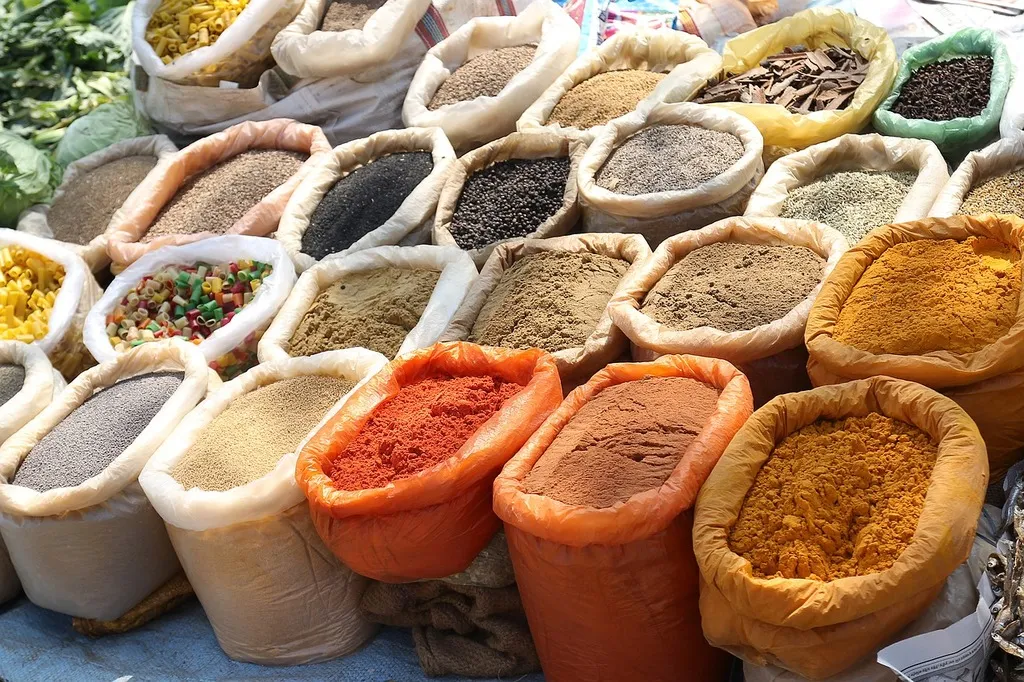
Seasoning: the intergenerational demand for spice is coming to an end
Food is an element of identity within cultures. In recognition of this, the term ‘traditional food knowledge’ was coined to explain the mechanism by which communities share cooking skills, common practices regarding food production, and recipes as intergenerational wisdom. As culinary knowledge is passed down, it connects communities with their locally available methods of food preparation and the ingredients found in their ecosystem. In the end, the process results in the creation of a traditional food heritage largely influenced by unique historical and geographical conditions. Thus, it is common practice for any territory to have a distinctive traditional food heritage that is adjusted to the possibilities and preferences of the local population.
When some of these communities decide to migrate, they are exposed to new ecosystems that have created an unfamiliar set of traditions than those from their place of origin. To retain a sense of normalcy, immigrants thus seek to re-create “a sense of place in their domestic environment around food production, preparation, and consumption”. When a particular community migrates and settles within the same area in the new country, their distinctive food heritage follows them. From maintaining traditional food customs inside the new home to establishing restaurants that take after those found in the land of origin, immigrants often develop culinary traditions that are very different from those of their home country and that take after their own.
In the Western world, spice—in the sense of feeling pain in the taste buds—is one of those elements that has no precedent in their culinary heritage. Whatever proximity spice has now acquired to Western cuisines, it was first introduced by Asian, African, or South and Central American cultures through colonization or migration. In geographical areas outside the West, the demand for truly spicy foods is mostly composed of natives who have spice incorporated into their traditional food knowledge. In the case of immigrant neighborhoods in the Western hemisphere, once first-generation immigrants have settled in an area and replicated their dishes, they raise their children within the same culinary tradition. In a sense, these communities are habituating their youth to withstand their customary elevated spice level, which requires constant ‘training’.
The tradition creates an intergenerational demand for spice, where each generation habituates the next one into enjoying—and requesting—the particular seasoning. In light of the facts, we can conclude that if a spicy dish’s recipe and preparation ritual were maintained intact, the demand for it would be compromised only by those who have built a tolerance to its standard, elevated spice level through continuous exposure to it. (i.e., natives who remain in their country of origin or members of an immigrant community that lives in an ethnic neighborhood). Thus, a sudden decrease in the spice level of established restaurants across an area where spice was once the norm might signal a transformation of demand, where new customers now require different considerations.
Spice: an idealized good for gentrifiers who cannot handle it
Despite spicy ethnic food being catered to members of the same ethnic community, that does not stop other Western groups from increasingly wanting access to it. It is the notion of "authenticity" attached to ethnic cuisines that these groups are attracted to. They have linked the consumption of ‘genuine’ ethnic food with achieving a status distinction within Western standards, encouraging their growing consumption of it. The large-scale replication of this phenomenon ––Western tourists seeking out traditional, unmarred cuisine in their original countries or Western locals wanting access to ethnic food within immigrant neighborhoods–– is itself a driver of gentrification for the area.
As more affluent outsiders settle in these neighborhoods and their restaurants, holding more purchasing power than locals, they also hold the power to refashion food and service to their liking. With time, local businesses hike up their prices in anticipation of wealthier clients, effectively excluding most of the local demand. Other service establishments, restaurants, bars, and cafeterias likewise adapt to the expectations of a different clientele. Individual employees give priority treatment to those who they believe can grant them higher tips and businesses hire staff who primarily speak English in order to appeal exclusively to Western customers. This leads to a cycle in which establishments prioritize wealthier outsiders, increasing their presence in these spaces. Upon seeing the increasing economic gain, establishments make even more adaptations to their model of business until their clientele is fundamentally non-native anymore.
As wealthier, Western customers begin to take over ethnic restaurants, they are attracted to the label of authenticity, but not necessarily to what makes the food authentic, like spice. The sensation caused by spice ––heat–– requires habituation to be able to handle, which is not usually available in most Western culinary landscapes. Therefore, when spices are the dominant presence in a dish, they also become the most immediately unbearable aspect of the food to gentrifiers, as they ultimately cause pain. If this one element causes wealthier newcomers to reject the food altogether, it can lead to a severe economic loss for ethnic establishments. As a result of this purchasing power, gentrifiers also hold influence to refashion the ethnic cuisine to their liking. If spice is the most immediate source of discomfort, then restaurants are faced with a quick solution. Decreasing the spice level of a dish is an immediate change made to the food’s preparation in response to the change in demand; after all, it does not require the entire restructuring of an ethnic cuisine; it simply requires cooks to use less of one ingredient.
Blandness: the early sign of economic and social change
In its last stages, food gentrification elevates the prices of ethnic food establishments in response to new demand, resulting in the displacement of the original, less-privileged consumers who no longer have the capital to access these spaces. The gentrification of food services is usually accompanied by or directly responsible for the urban gentrification of the whole area. In some cases, developers may take advantage of the recent ‘gourmetizing’ of local food services to attract new wealthy residents and increase property values. In other cases, the transformation of food establishments is the symptom of well-advanced gentrification, in which wealthier residents have started moving into the neighborhood and interacting with the existing food services. The appreciation of property values and the complete change of neighborhood culture eventually drive long-time, low-income residents out of their own communities.
However, it takes years to reach these final stages, and it may be difficult to identify when the process of gentrification has just started to take place. When looking at signals of gentrification, it is possible to overlook them until they become glaring. By then, gentrification may be far too advanced. Yet, this is not the case with ethnic food as a signal, which transforms quickly as part of the clients’ daily routine. As these affluent clients increasingly and homogeneously experience the same change in taste ––requiring less spice–– restaurants are some of the first institutions to notice. Solving this problem does not require the restructuring of the traditional culinary heritage or the creation of a fusion that caters to dominant tastes (which might be the case during later stages of gentrification). Instead, decreasing the spice level is an instantaneous solution.
Thus, when we see that most restaurants across an area, be it in a non-Western country or in an immigrant neighborhood, all begin to decrease their spice level or offer non-spice options, it might be a symptom that the demand for food has started to change drastically. It is no longer locals who were trained to withstand spice, but instead outsiders with enough economic power to demand a refashioning of food to their liking. This phenomenon is an early sign of the change to come, in which more affluent people will continue to inhabit the neighborhood. Thus, a decreased spice level in food services across the same area may be one of the earliest available proxies for identifying gentrification.