Priced Out of Manhattan: How Rising Costs Are Rewriting New York’s Jazz Scene
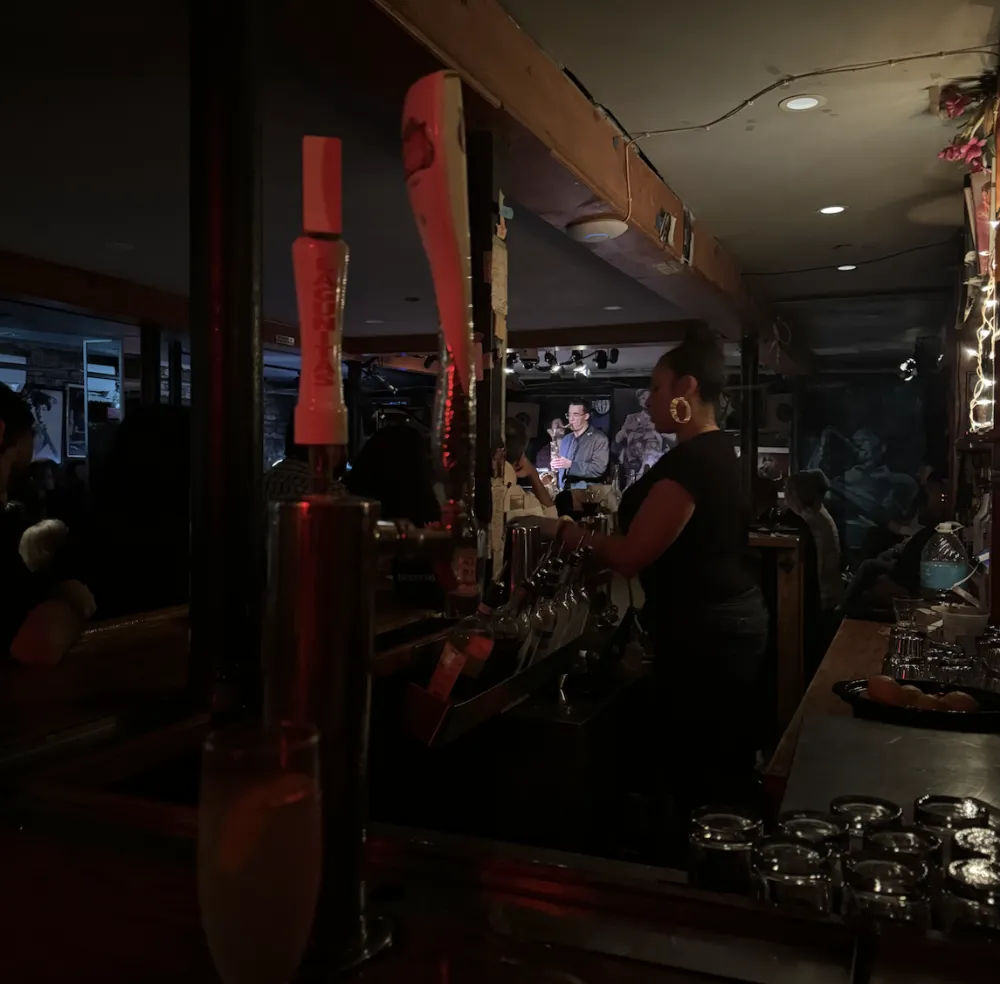
On a typical Friday night at Smalls Jazz Club, the room is packed tightly. The musicians play in close quarters, improvising freely, filling the room with their distinct sound. Yet behind this vibrant scene, the musicians split modest pay, and the owner tallies income against rising rent, liquor licensing, and insurance costs. Similar pressures shape life at the Village Vanguard, the Blue Note, and other clubs that have long sustained Manhattan’s jazz reputation.
Today, Manhattan’s Jazz clubs have split between two models: heavily subsidized prestige venues such as The Jazz at Lincoln Center, and commercialized boutique clubs such as “Smoke Jazz Club”. This leaves little room for the traditional jazz club model as a social venue that serves musicians. Increasingly, this scene migrates to Brooklyn, reshaping who gets to participate in jazz culture and how the music evolves.
Historical Role & Emerging Economic Pressures
Early New York Jazz clubs in Manhattan created a tight-knit, vibrant social scene where experimentation occurred without commercial pressures. Cheaper rent and late-night sets allowed musicians to play multiple shows a night. New styles quickly developed, and many new bands formed. From these experimental venues, musicians such as Charlie Parker were born. Charlie Parker developed his signature bebop style in Harlem jazz clubs late at night, after playing “classic jazz” at upscale downtown venues.
As jazz's popularity has declined from its peak and the cost of living in Manhattan has risen, sustaining this cultural scene has become more challenging. Historic and beloved clubs have begun to close and relocate out of Manhattan, a trend amplified by the COVID-19 pandemic. During COVID-19, for example, The Jazz Standard, a beloved club for fans and musicians, closed, and others had to rely on crowdfunding campaigns to survive. A mix of closures and earlier hours has reduced the number of available performances and venues, revealing how vulnerable small cultural businesses are when faced with high fixed costs and limited ability to scale.
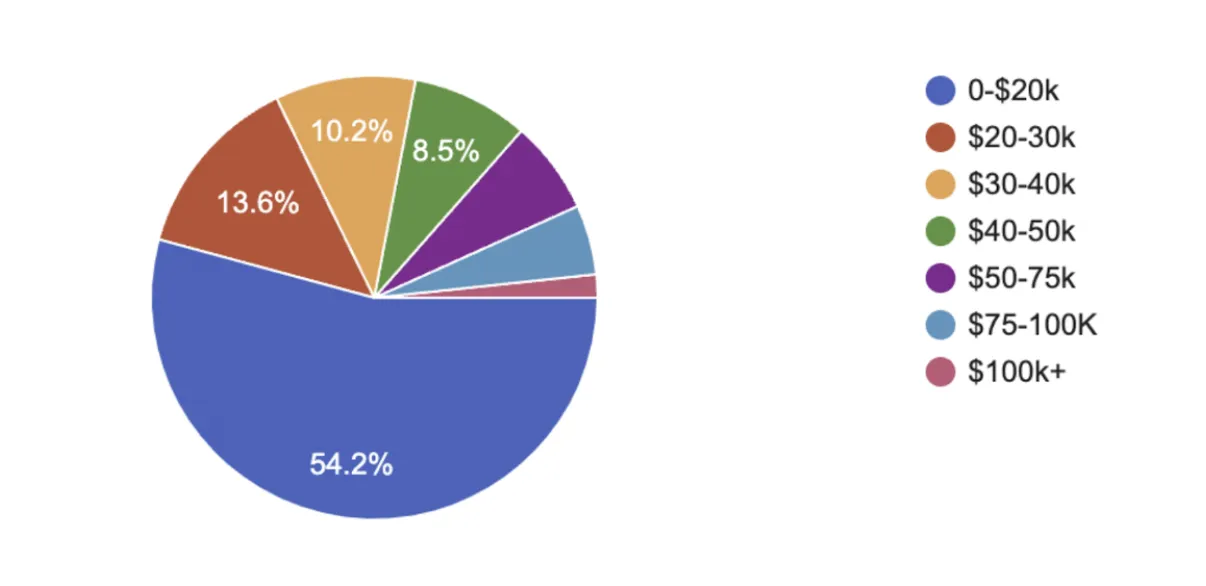
Not only are the clubs suffering, but also the musicians. Low pay and fewer gigs have made it hard for jazz musicians to live in New York City. The vast majority earn less than $20,000 a year from paid performances. It is therefore nearly impossible for musicians to survive solely on performance revenue, since the living wage in New York City is a steep $68,338 per year. In fact, most musicians earn additional income from teaching and freelance work. These include teaching positions and other part-time jobs. Including these streams of revenue, the average income amounts to only $27,800. However, the salary of a jazz musician has always been low, with even the most notable musicians struggling financially. Charlie Parker famously sold his saxophone at one point to fuel his drug addiction. But the rising rents and cost of living has made it nearly impossible to live a similar life of surviving gig to gig and making ends meet.
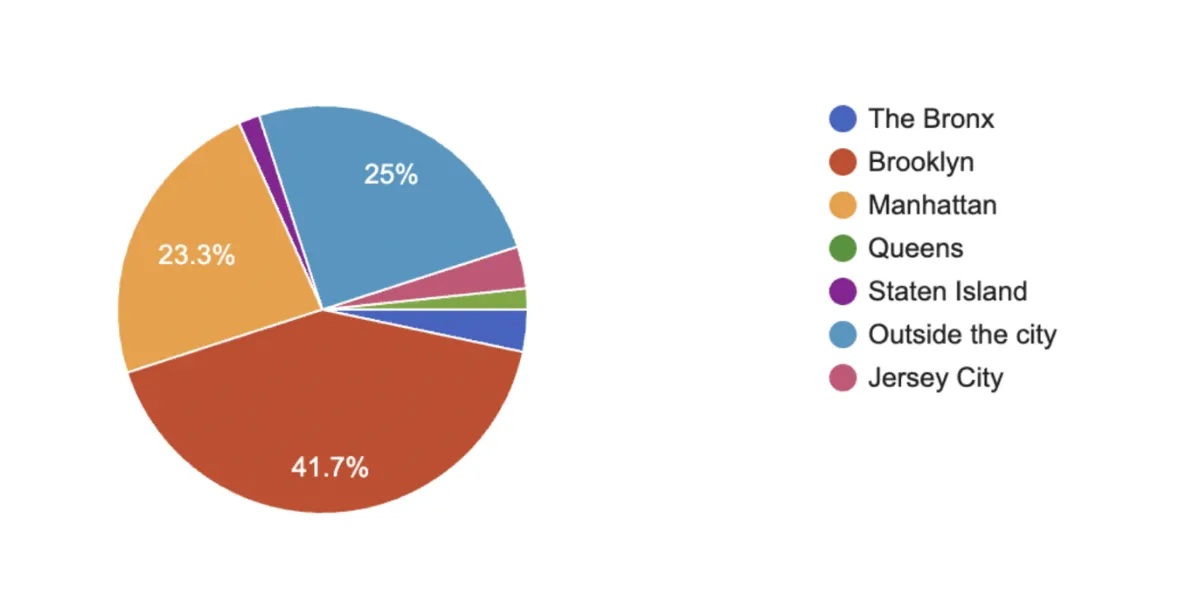
The result is that many jazz musicians are leaving Manhattan, with 25% commuting from outside New York City. In fact, only 23% of jazz musicians live in Manhattan, where most jazz clubs are. The impact of this shift is widespread. Musicians can no longer afford to live in the areas where the jazz clubs are, thereby slowly fracturing the social network on which both clubs and musicians rely.
Subsidized Model: Jazz at Lincoln Center
Due to economic pressure, the traditional Jazz Club model in Manhattan is facing challenges, prompting alternative models to emerge to ensure the music's survival. Jazz at Lincoln Center, established in 2004, features a traditional big band and concert-hall seating.
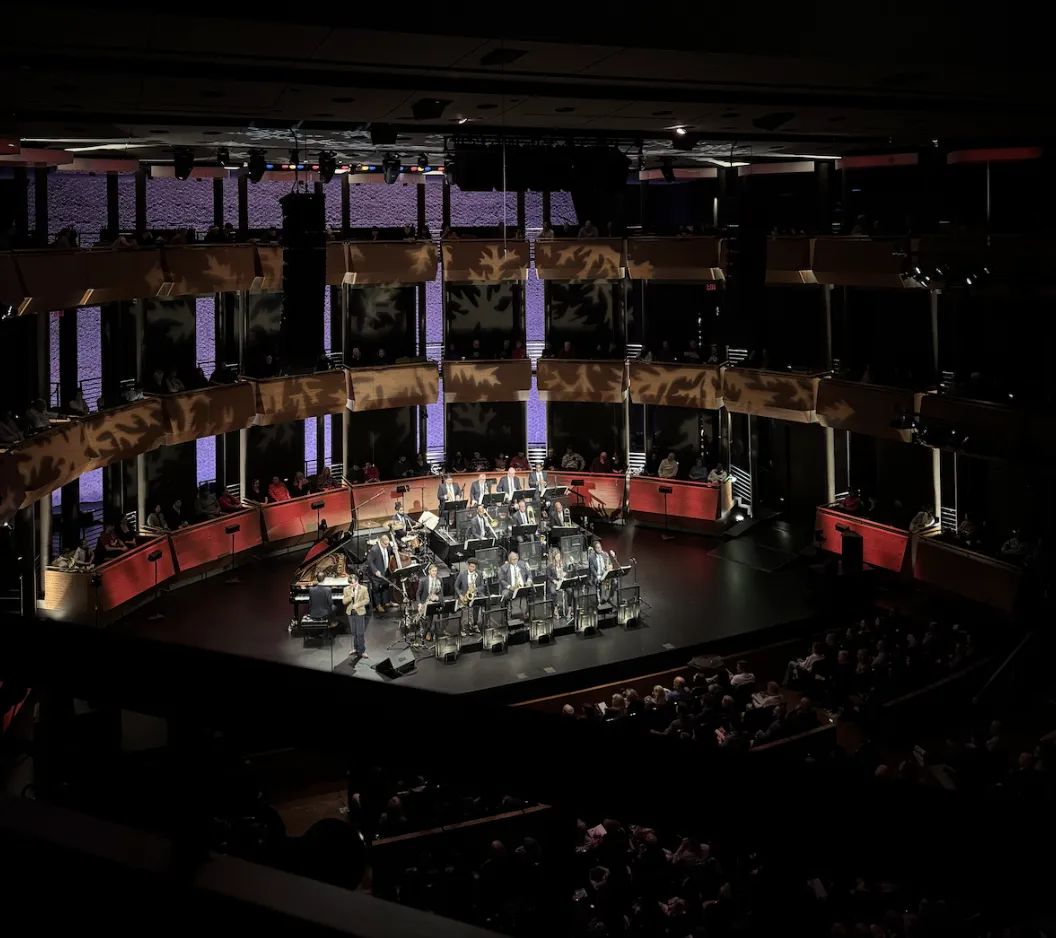
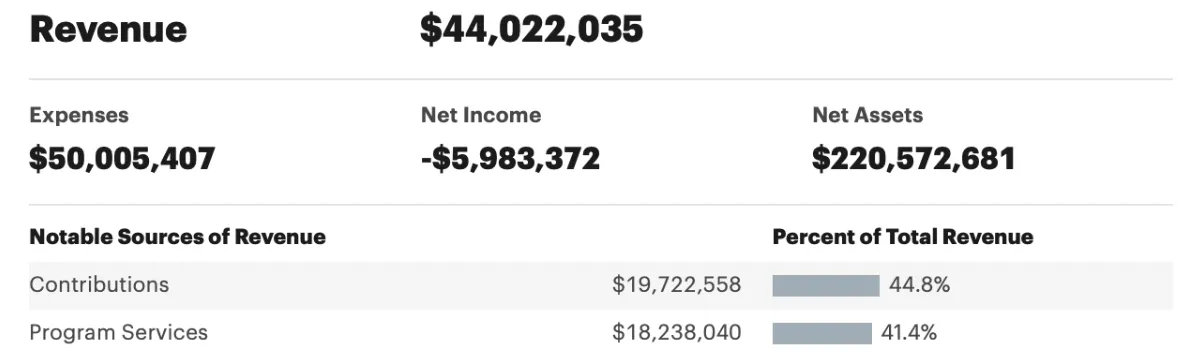
Jazz at Lincoln Center, which largely relies on individual donations, is labeled as a nonprofit organization. Despite bringing in over $44 million in revenue last year, the venue still loses money. Only 41% of its revenue comes from ticket sales, with the majority, 44.8% coming from donations. Many of the donations come from large individual donors and foundations. The net loss of almost $6 million reveals that Jazz at Lincoln Center wouldn’t survive as an independent, for-profit enterprise, emphasizing the crucial role of its non-profit status in preserving jazz in Manhattan.
However, Jazz at Lincoln Center’s core purpose isn’t to turn a profit but to preserve and advance jazz as a music form, through performances, education, youth programs, and competitions. Additionally, thanks to donations and subsidies, Jazz at Lincoln Center can sell tickets at lower prices, offering student discounts and affordable concerts. As a result, this model can attract a broader, more diverse audience. Other venues have also replicated the non-profit model. Small's Jazz Club, for example, recently converted to nonprofit status during the COVID-19 pandemic.
While Jazz at Lincoln Center’s model is essential for keeping traditional jazz on major stages, its reliance on wealthy individual donors shifts the focus away from working musicians and toward patrons, narrowing the space for experimentation and for the club to function as a social space for musicians.
Boutique Commercial Model: Smoke
While certain club owners are attempting to preserve through non-profit status, others are turning to a more profitable model, relying on tiered pricing, upgraded food and drink, and earlier showtimes. Smoke Jazz Club, formerly Augie’s, a neighborhood bar where you could buy a cheap beer and hear a band, now caters to a much more upscale crowd. After Augie’s could no longer afford the rent, bartender Paul Stache took over the lease and, through a series of renovations, transformed the room into a sleek venue with a long wooden bar and crystal chandeliers. The shift in atmosphere attracts a different clientele and has priced out many of the musicians who had once treated Augie’s as a social hub.
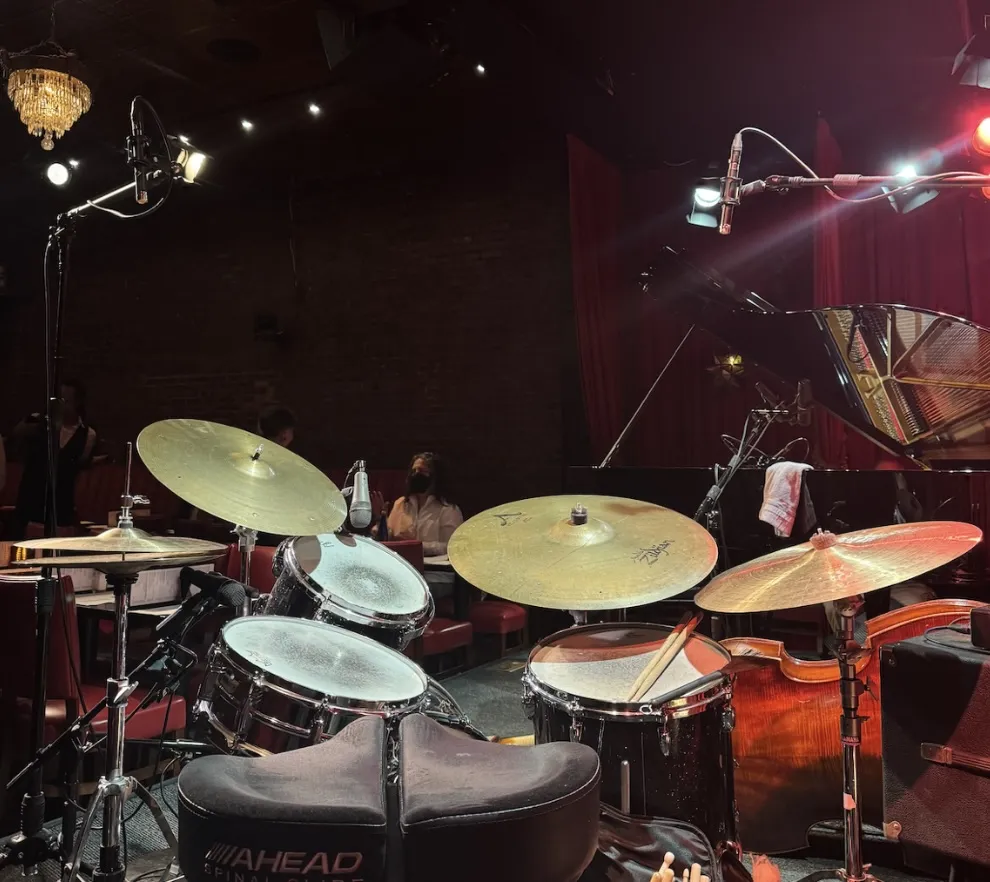
However, owner Paul Stache argues that their approach still caters to a broader audience through a variety of price options achieved by offering cheaper seats for those behind the stage and creating a standing-room price point that is 50% lower.
However, smoke is by no means cheap. Dinner shows usually cost around $50, and you must purchase a $20 drink as well. Commercial and slick boutique venues optimize the experience for maximum revenue per seat, and the audience becomes more of a consumer than a participant in the music. To become profitable, jazz clubs often face the decision to raise prices, effectively pricing out younger audiences who would usually congregate there.
Relocation of Traditional Jazz Club to Brooklyn
Situated between donor-subsidized prestige and profit-optimized jazz clubs, the jazz club as a social hot spot for jazz musicians, such as Augie’s and the Jazz Standard, is moving out of Manhattan. They can’t charge more than $50 per ticket because that would price out the very musicians they are supposed to serve, and they cannot compete with multimillion-dollar donor networks.
As a result, many traditional jazz clubs are appearing in Brooklyn, where costs are cheaper. Compared with legacy Manhattan jazz neighborhoods like the West Village and Midtown, performance spaces in Brooklyn rent for substantially less per square foot. According to the Department of Finance’s Storefront Registry data set, the rent per square foot in the Manhattan district covering Midtown is $34.39 per square foot per month. In contrast, the Brooklyn district recorded an average $15.07 per square foot per month. Therefore, relocating relieves commercial pressures and allows a musician-oriented social club to emerge.
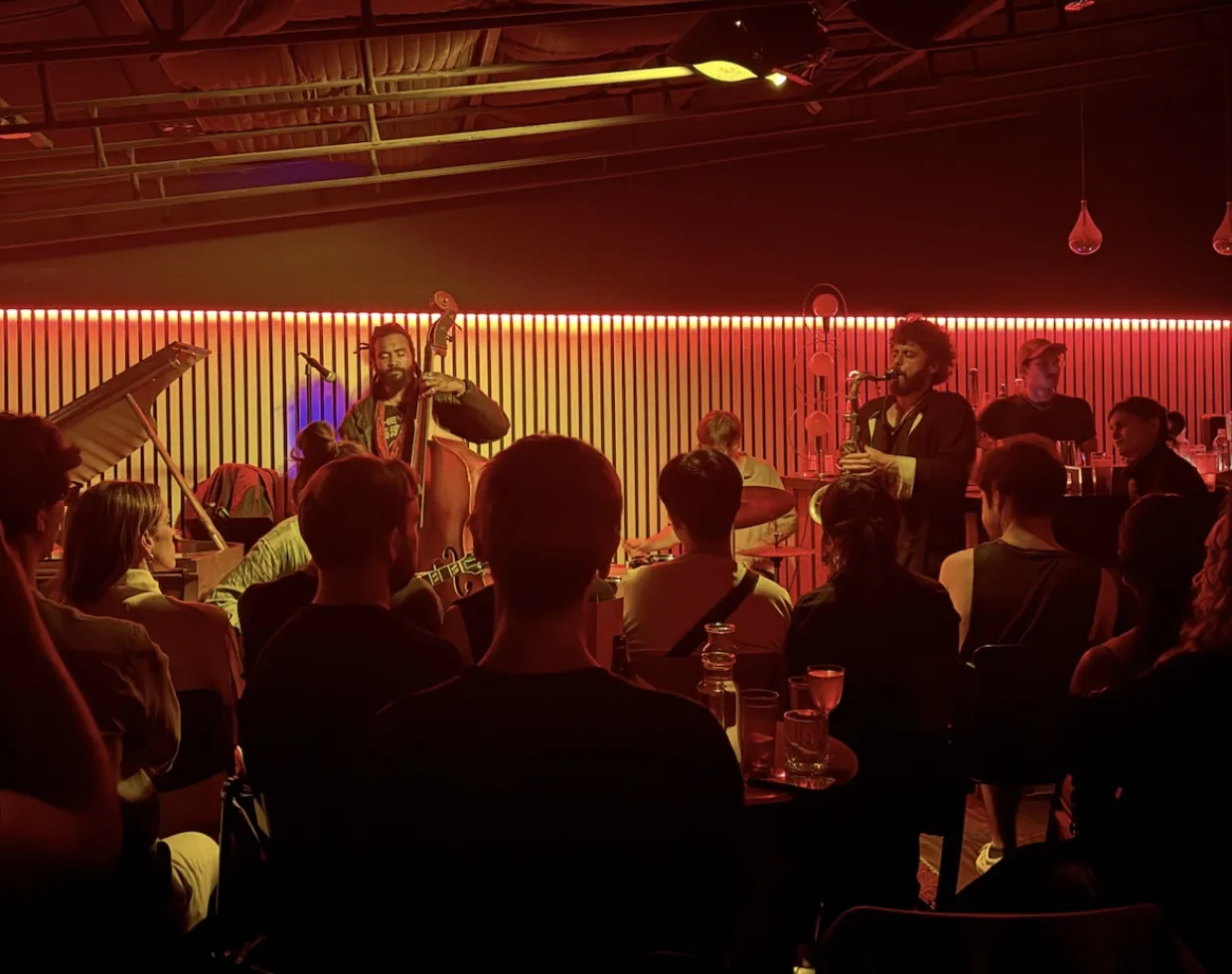
One club that exemplifies this shift is Ornithology, which opened in 2021. Located on Suydam Street off Broadway in Brooklyn, Ornithology is explicitly musician-oriented. There is no cover charge, and every night the club hosts an open jam session where players can sit in and play well into the evening. These open jam sessions and accessibility to jazz musicians are integral to the development of the music. People can meet, experiment with their style, form bands, and immerse themselves in the social scene. The owner has no intention of running it as a conventional for-profit venue: “Build something for the musicians first, make sure they’re comfortable,” Borden says. As more musicians and artists move to the neighborhood in search of cheaper rent, he argues that Bushwick is the ideal place for music to flourish.
Individual Adaptions
On the micro level, musicians are adopting entrepreneurial strategies and finding audiences in new places, demonstrating that there is still a real demand for jazz. Many are turning to social media and livestreaming.
For example, pianist Emmet Cohen launched a YouTube livestream series during COVID-19 called “Live from Emmet’s Place,” broadcasting from his Harlem apartment. He invited friends and collaborators to play, recreating an intimate, communal club atmosphere online. Over time, the series drew hundreds of thousands of subscribers, and individual videos reached millions of views. The social dimension of jazz hasn’t disappeared; it has migrated to new platforms, and success now depends on how effectively musicians can market and cultivate that community.
However, shifting to online presence also presents its difficulties. Generating enough listeners and subscribers takes time, and there is little guarantee of a consistent stream of income. While Emmet has leveraged his online presence to become massively successful, many other talented musicians haven’t achieved the same level of traction.
The New Chapter of New York Jazz
Manhattan still carries the names that define New York jazz, Smalls, the Vanguard, Smoke, and Jazz at Lincoln Center, but the underlying ecology has changed. In a city where basic living costs outstrip what most working musicians can earn from club work, the old model of the jazz club as an informal, late-night hang is increasingly untenable. What remains on the island are institutions that fit the new economics: donor-funded halls that preserve the canon and boutique rooms that treat jazz as part of a carefully priced night out. They keep the music visible, but they do not efficiently function as the everyday social spaces that once allowed new styles, bands, and communities to form.
That social life hasn’t disappeared so much as shifted. It reappears in Brooklyn venues like Ornithology, where lower rents and open jam sessions make it possible to put musicians back at the center, and in online projects like Emmet’s Place, which rebuilds a sense of community on screen. Jazz has always adjusted to the city around it; as Manhattan becomes pricier, the map of where the music is made moves accordingly.