Is the Party Over? How Rising Costs Threaten Berlin's Club Scene
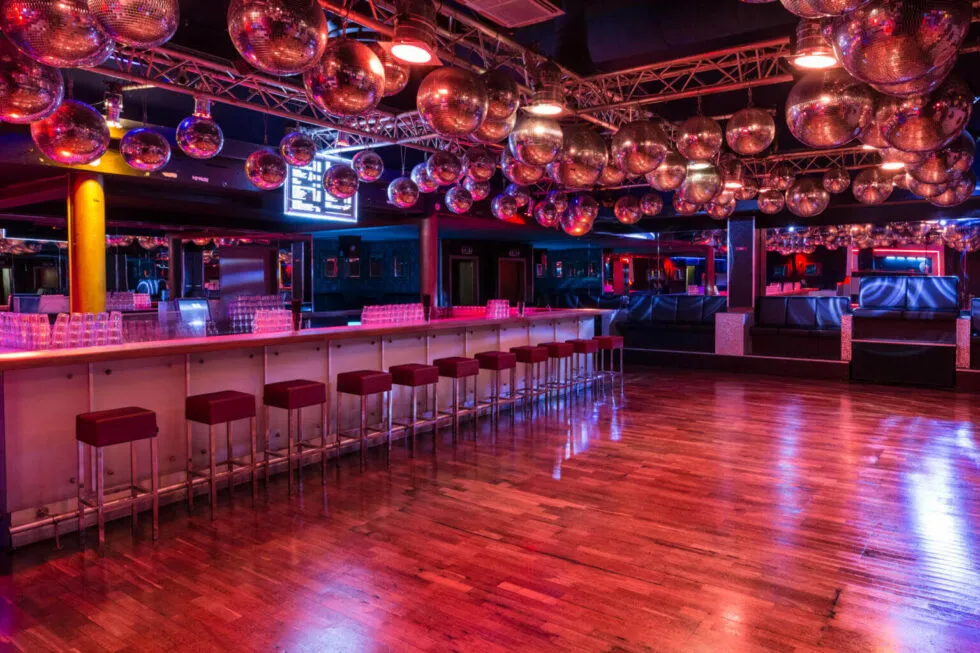
Berlin’s club culture has transformed from a local treasure to an international phenomenon. Berlin’s club scene traces back to the Weimar era, and was later rebirthed in post-wall Berlin of today, and Cold War bunkers became homes for multi-day raves. The techno club scene has grown enough to be considered an “intangible cultural heritage” by UNESCO. With this reputation, Berlin’s club scene attracted three million tourists in 2018, who stayed an average of 2.4 days per visit. The economic imprint is unmistakable. Berlin’s club tourism brings in 1.5 billion Euros annually, and visiting tourists spend 205 Euros per day on average. In 2018, the clubs themselves earned 168 million euros in revenue, and 9,040 Berliners are employed through the club scene.
Yet beneath global fascination, the industry is eroding from within: many of Berlin’s clubs are struggling to survive. Berlin currently has 250 clubs, but over half of them are at risk of closing. This projection doubled over nine months from late 2023 to 2024. Some have already begun to close. Amidst global fervor, Berlin’s club scene is at risk of decay. The vulnerability is not hypothetical: several closures have already begun. Watergate was one of the most well-known clubs and had been active for 22 years, but it had to shut down in 2024 due to economic pressures, mainly rising rents.
In 2023, Berlin welcomed 12 million tourists— three times its own population. 81,000 tourists visit the city on an average day. It is known to be cheaper than comparable destinations in the UK, the Netherlands, and the U.S. But while tourists from expensive locations tend to perceive Berlin as a “cheap” travel spot, its locals have begun to struggle under the price hikes that stem from the tourists themselves. Ironically, the affordability that once drew in visitors is now endangered, and with it, Berlin’s notorious clubs.
Tourism undeniably has a direct, positive impact on clubs: more people imply more cover charges paid and drinks ordered, and thus more revenue. But, tourism also has other impacts, and it is shaping the development of Berlin’s economy beyond just the revenue clubs take in. Alongside an increase in tourists, a new phenomenon has emerged known as “clubsterbern,” or “club death.” The impact of tourism on rising prices in Berlin, particularly increased rental prices, ultimately undermines the ability of the club scene to survive and thrive in Berlin.
Tourists may spend 205 Euros a day, but this is not all invested in nightlife itself. Club entry and drink prices have remained relatively steady, with average admissions costs staying between 5 and 15 euros. Admission prices are culturally anchored, as Berlin’s nightlife scene frames itself as one of accessibility and resistance to commercialization. Part of the appeal of Berlin’s nightlife is the “poor but sexy” identity that encapsulates Berlin’s cultural imagery, something that would be destroyed by an extreme increase in prices. This means that even when demand surges, club revenue cannot rise with it, though rent can.
While there is a limit to how much clubs can benefit from additional visitors, other industries and sectors, including short-stay housing, hotel, and Airbnb operators, restaurants, transportation, and other tourism services, absorb the bulk of tourist spending and increase their prices alongside economic trends. Given the broad economic footprint of tourism in Berlin, it is important to consider how spending outside of the nightlife economy also influences the future of the city’s renowned club scene.
Gentrification is most aggressive in areas where clubs thrive. It has driven up property values, a pressure that clubs are unable to keep up with. A large portion of tourists’ expenditure goes to hotels and Airbnbs, food, and other costs. This activity has a broader impact on the city's prices: tourism and the type of housing it is linked to significantly alter the cost of the housing stock for residents as well. Between 2013 and 2015, Airbnb’s presence in Berlin’s housing market led to a 3% increase in asking rental costs, which represents an average increase of 240 Euros annually.
Berlin’s housing shortage crisis is broader. Berlin’s 2023 rents were over 40% higher than what they had been seven years prior. Germany’s attempt at a rent cap in 2020 was overturned by its supreme court, and its targets for developing new housing stock have largely not been met. The need to develop new housing stock reflects the economic pressures clubs are facing, but it has also directly targeted them. Rummels Bucht closed in 2023 after being displaced for the building of new apartments.
To understand why success is turning into strain, it is necessary to look at where tourist money actually goes and the many spots it never reaches. There are 280 clubs across Berlin, but only 11 of them make over 2 million euros annually, with the rest generating an average revenue between 100,000 and 250,000 euros. Tourists travel for the “must-visit” spots popularized, especially through social media. The remaining clubs are neglected by these short-term visits. Economic activity from tourists is distributed incredibly inequitably across the city, leaving the majority of clubs underfunded and vulnerable.
The instability intensifies when tourist presence is not steady, but seasonal. Studies focused on tourism in Croatia link an increase in foreign visitors to worse affordability, with local incomes failing to keep up with rising housing prices. Seasonal tourism was the most detrimental for affordability, because when tourists are highly concentrated at certain times of the year, demand increases significantly during a short period of time, and dramatically increases prices. Tourism seasonality exerts a far stronger influence on housing pressure than overall visitor numbers alone: it is ten times as significant as other tourism metrics.
Berlin’s nightlife aligns: packed summers, quiet winters, and revenue that cannot stretch across rising year-round costs. Across Europe, tourism tends to spike dramatically during the summer months, with 46.64% of arrivals occurring between the months of June and September. Club tourism is no different, in large part due to the appeal of open-air events. Additionally, club tourism is often defined by extremely short-term visits, with stays typically lasting from Friday to Sunday. Such short-term stays have the highest seasonality, meaning the least even distribution of tourist visits across different seasons, when compared to other forms of tourism.
Revenue cannot increase proportionally to visitor influx, meaning tourism increases pressure on the city faster than it increases financial stability for clubs. While Berlin’s clubs benefit from only a small fraction of tourist economic activity, the sector bears the brunt of rising rents, with significant economic pressures coming from the compressed seasonality of their peak visitor times and inability to change their revenue structures. The problem goes beyond Berlin. Tourist-driven price increases within real estate pose a major threat to the existence of cultural and club spaces across all European cities. Faced with this threat, it is time to enforce policies that protect nightlife as something with intrinsic cultural value, not an industry contingent on temporary tourist fervor.